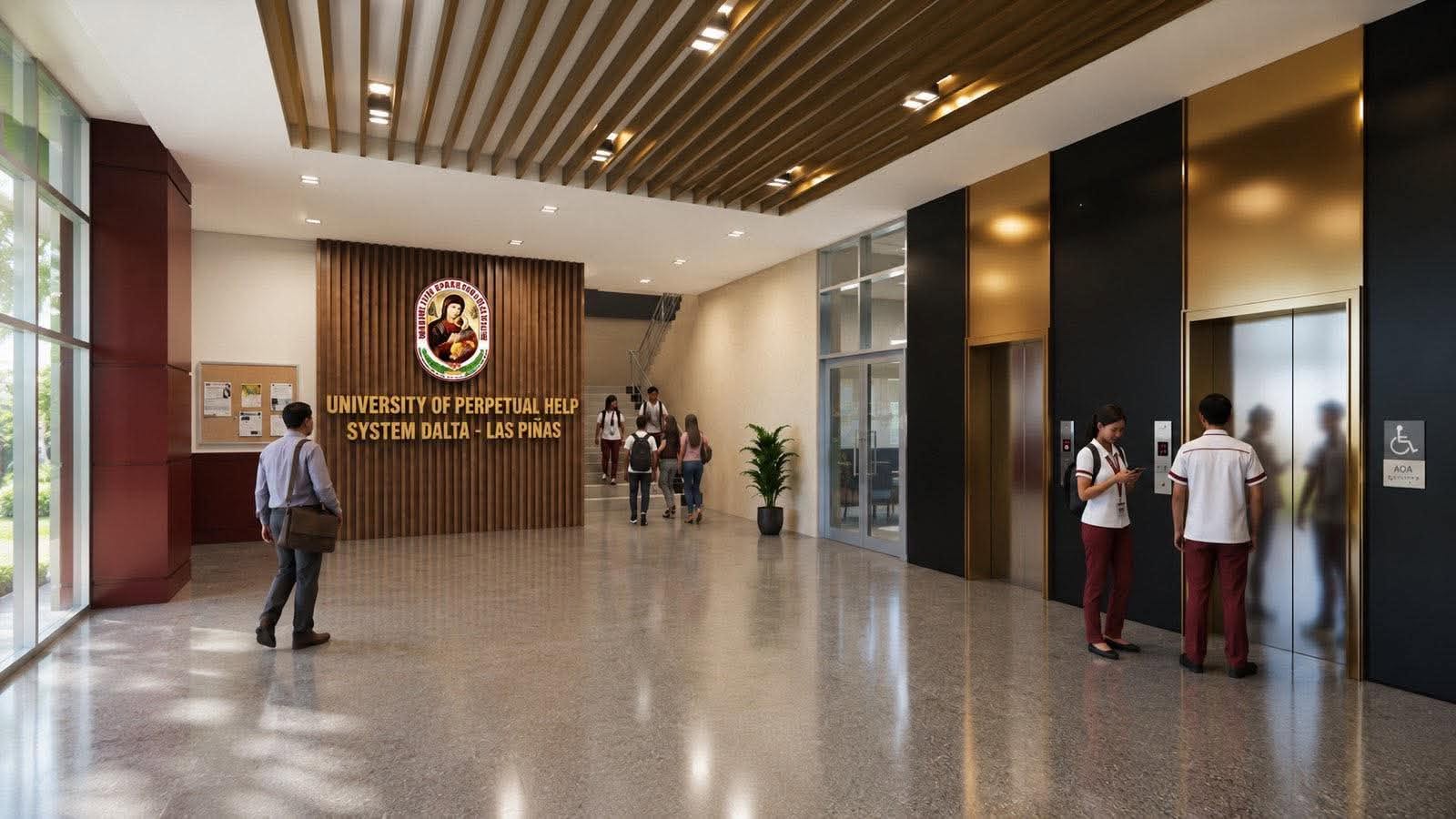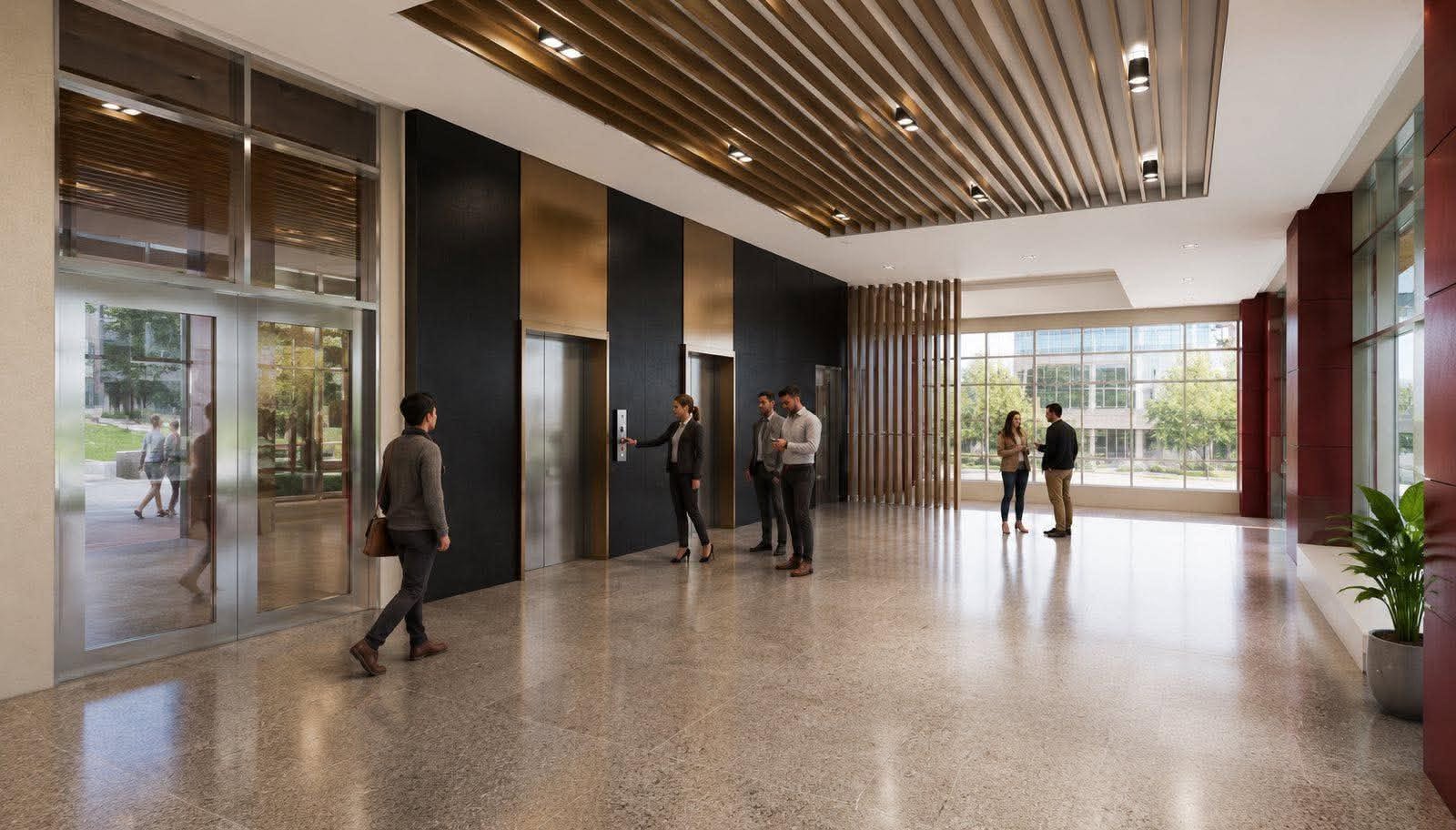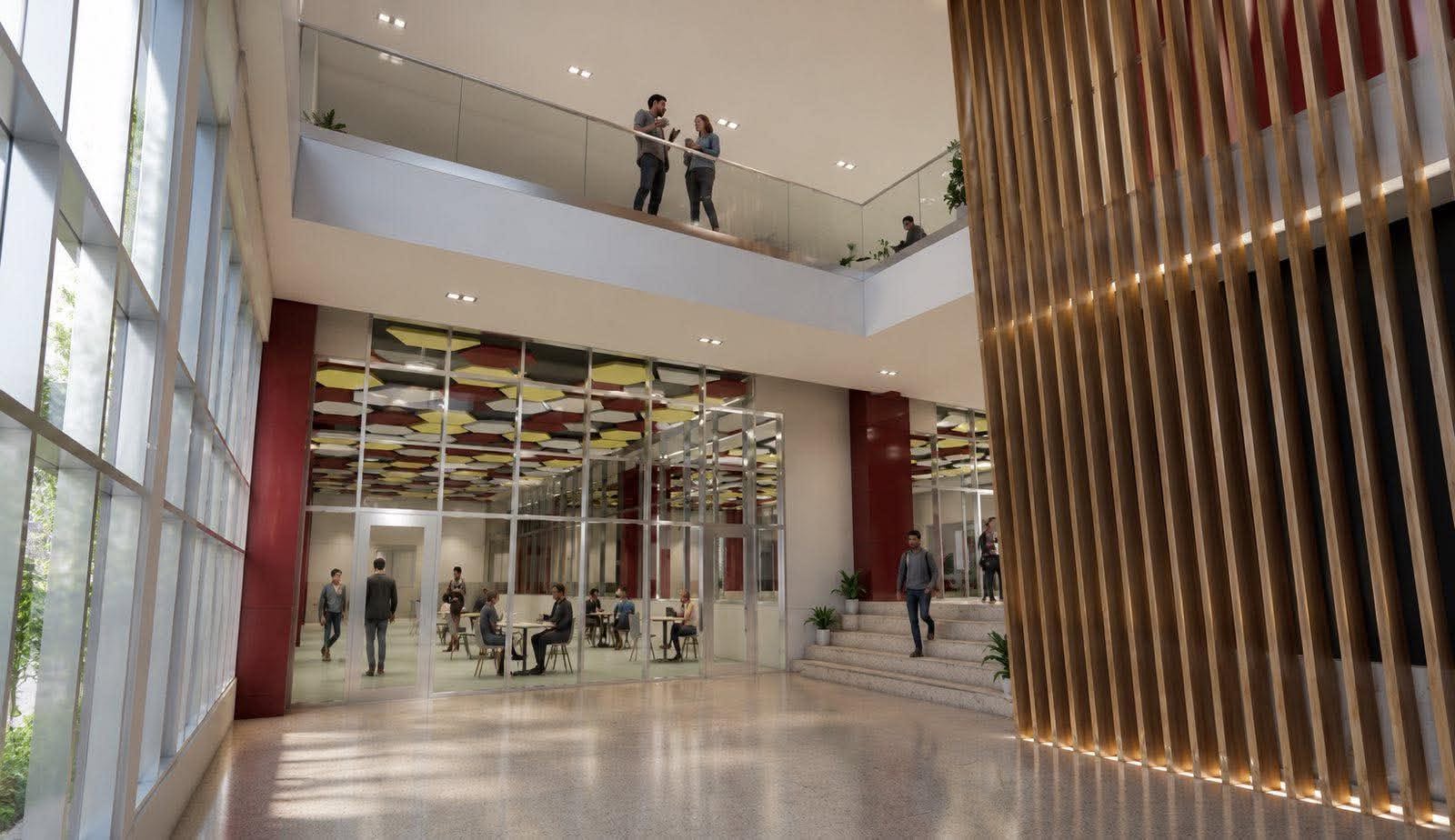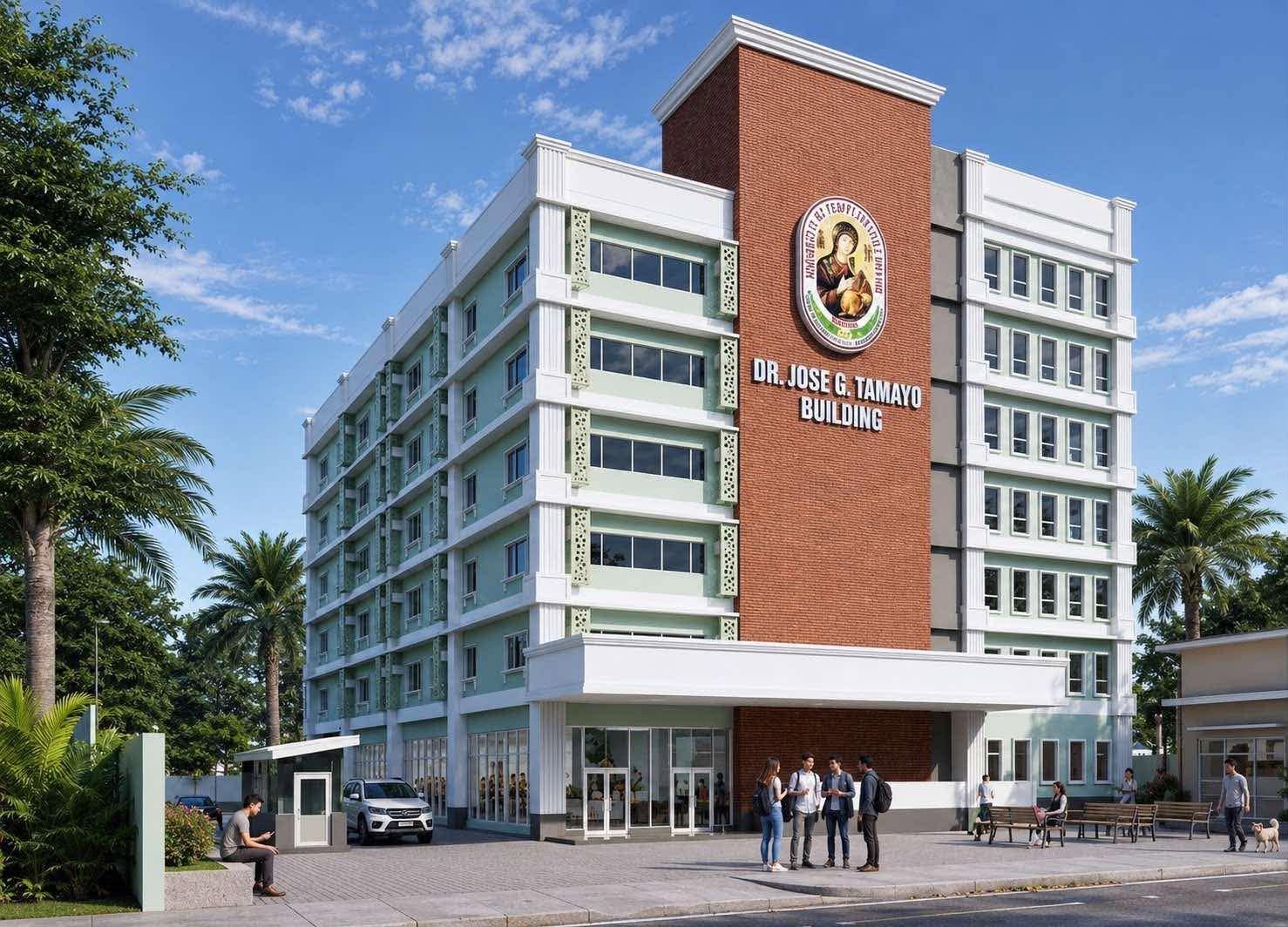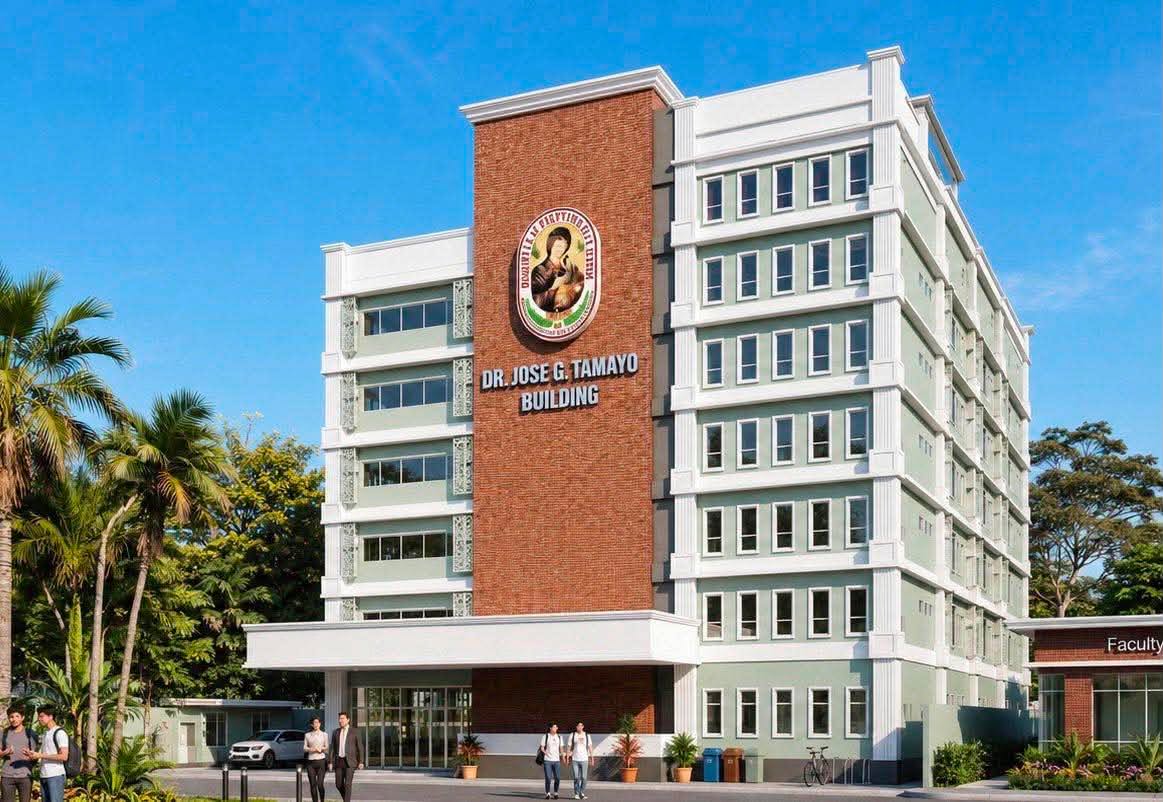

The University of Perpetual Help System DALTA proudly unveils the establishment of the Future Technologies Center (FTC)—a landmark facility that will redefine engineering, architecture, research, innovation, and technology commercialization in the Philippines.
The Future Technologies Center is envisioned as the University’s flagship engineering and innovation complex, where future-ready technologies converge to empower students, researchers, industry partners, and government collaborators to develop solutions that address national priorities and global challenges. More than a building, FTC represents UPHSD’s commitment to becoming a leading innovation-driven university that transforms research into real-world impact and prepares the next generation of engineers, architects, healthcare technologists, scientists, innovators, and technology leaders.
Designed as a multidisciplinary center for advanced engineering and applied research, the Future Technologies Center will house world-class laboratories and collaborative learning spaces, including:
🔹 TIDAL SSEL (Technology and Innovations for Design Automation Launchpad for Semiconductor Systems and Engineering Systems) – advancing semiconductor design, integrated circuits, embedded systems, electronic design automation, and next-generation microelectronics.
🔹 Maritime and Defense Research and Testing Laboratory – supporting dual-use technologies, autonomous systems, secure communications, defense innovation, and engineering solutions that contribute to national resilience.
🔹 Small Satellite and AeroSpace Engineering Laboratory – expanding UPHSD’s capabilities in satellite engineering, aerospace technologies, remote sensing, and future space missions.
🔹 Rapid Prototyping Laboratory – equipped with advanced 3D printing, PCB fabrication, CNC machining, electronics manufacturing, robotics integration, and product development facilities that transform concepts into market-ready innovations.
🔹 Cybersecurity Laboratory – developing expertise in cyber defense, ethical hacking, artificial intelligence security, digital forensics, and resilient digital infrastructures.
🔹 E-Sports and Digital Simulation Laboratory – integrating game technologies, immersive simulations, digital content development, and human performance analytics.
🔹 Earthquake Engineering Simulation Facility – enabling structural testing, seismic engineering research, disaster resilience, and smart infrastructure development.
🔹 Drone and Autonomous Systems Laboratory – advancing unmanned aerial systems, robotics, intelligent navigation, mapping, surveillance, and autonomous technologies.
🔹 Augmented Reality and Immersive Technologies Laboratory – creating interactive learning environments through augmented, virtual, and mixed reality technologies.
🔹 Electric and Smart Vehicle Laboratory – driving research in electric mobility, battery systems, intelligent transportation, charging technologies, and sustainable mobility solutions.
🔹 Building Design and Sustainability Laboratory – promoting smart buildings, green engineering, digital construction, energy-efficient systems, and resilient infrastructure.
🔹 Architectural Modeling Workshop Laboratory – providing a creative fabrication environment where architectural concepts are transformed into physical and digital models using laser cutting, CNC machining, 3D printing, digital fabrication, and advanced visualization technologies.
🔹 Architectural Design and Sustainability Laboratory – fostering innovative architectural design through Building Information Modeling (BIM), environmental simulation, passive design strategies, resilient urban planning, smart city concepts, and sustainable architecture.
🔹 Siemens Healthineers Laboratory – providing industry-grade training in medical imaging, healthcare automation, digital health technologies, laboratory diagnostics, biomedical engineering, and smart healthcare systems in collaboration with global healthcare technology standards.
🔹 Logistics Simulation Laboratory – supporting Industry 4.0 logistics education through warehouse automation, supply chain optimization, digital twin simulation, transportation analytics, inventory management, port and airport logistics, and smart distribution systems.
🔹 E-Learning Commons and Collaborative Learning Pods – fostering flexible, technology-enabled, student-centered learning environments that encourage collaboration, creativity, interdisciplinary innovation, and lifelong learning.
The Future Technologies Center will serve as the cornerstone of UPHSD’s innovation ecosystem, complementing the University’s strategic initiatives in semiconductor engineering, artificial intelligence, advanced manufacturing, healthcare technologies, logistics and supply chain systems, cybersecurity, aerospace, architecture, smart infrastructure, sustainability, digital transformation, and national capability development.
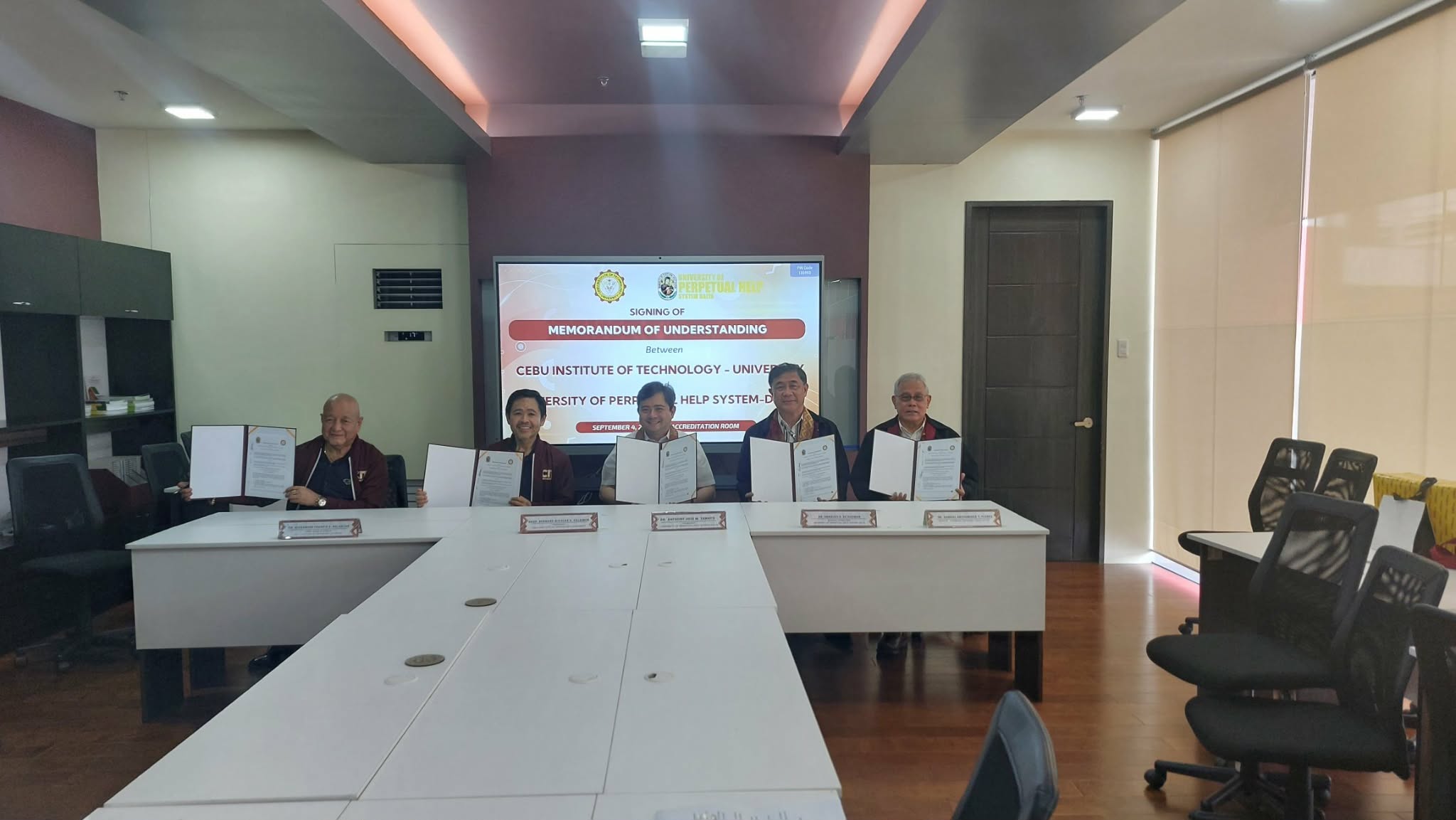
Through strategic collaborations with government agencies, industry leaders, research institutions, and international partners, the Center will accelerate research excellence, technology transfer, startup incubation, workforce development, and commercialization of innovative solutions that address the country’s most pressing challenges.
The Future Technologies Center reflects UPHSD’s enduring commitment to excellence, innovation, and nation-building—creating an environment where education, research, and industry converge to shape the technologies of tomorrow and develop graduates who are ready to lead in the Fourth Industrial Revolution and beyond.